inknix

Clear production for screen and stage

About inknix

A Cambridge consultancy for screen and stage production

inknix

We plan and document the technical side of television and live events, so that producers, crews and networks can work from one clear set of drawings and notes.

Our story

How a small consultancy came to write things down

inknix was founded in Cambridge in 2012 by Oliver Hartley, who had spent years in outside broadcast. He saw how often good crews lost time because the plan existed only in conversation. The company grew from the wish to put that plan on paper, clearly and early.

Starting from outside broadcast

Working in outside broadcast teaches you that nothing can be assumed. The truck, the venue and the schedule all change, and the crew has to cope. That experience taught us to document signal paths, power and responsibilities before arrival, so that surprises are small and recoverable. The same habit now shapes everything we do, whether the job is a permanent studio or a single evening event.

Widening to studios and stages

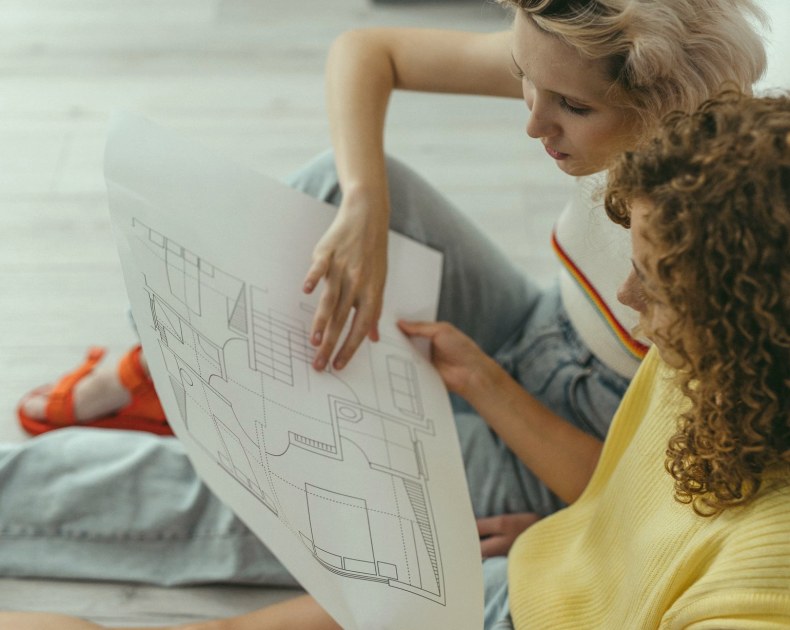
What began with studio and control room projects grew to cover camera control, stage lighting, live sound and workflow planning. Each area was added because clients kept asking for help at the boundaries between them, where a lighting decision affects cameras or an audio feed affects a broadcast partner. We took those boundaries as our subject.

A team with different specialisms

Our work now draws on a studio designer, a lighting designer, a senior sound engineer and a workflow producer. Each owns their area and each reads the others' drawings before anything is issued. That cross-checking catches clashes on paper, such as a rig position that blocks a camera or a feed that arrives in the wrong format.

Staying independent of equipment

We do not sell kit, so our recommendations follow the job and not a supplier's catalogue. We will say when existing equipment is good enough, when hire makes more sense than purchase, and when a simpler solution will do. Clients can then compare quotes from installers and hire companies against a specification that is independent of any of them.

How we approach a project

Understand the programme first

Before we choose equipment, we learn what the programme or event is for and who will operate it. This keeps the design tied to real use. We ask about audience, running time, crew size and what went wrong last time.

  • Programme and event requirements
  • Crew size and experience
  • Venue or studio constraints
  • Lessons from previous productions
Understand the programme first

Design with the whole chain in mind

A lighting plan affects camera exposure, and an audio feed affects the gallery. We design across disciplines so that each part supports the others. Drawings are cross-checked internally before they reach you.

  • Layout and sightline checks
  • Signal flow from source to output
  • Power and cable routing
  • Cross-discipline review
Design with the whole chain in mind

Document for the people who follow

Crews change and networks send different people each time. We write notes for whoever picks the job up next, in plain language, with labels and settings recorded. The documents are yours to keep and reuse.

  • Role-by-role crew notes
  • Labelled drawings and schedules
  • Equipment settings recorded
  • Contacts and handover points
Document for the people who follow

What we stand for

  1. Clarity

    We write plans in plain language and draw them so that each role can find its part quickly. If a document needs explaining, we revise it until it does not.

  2. Reliability

    Plans are checked before they are issued, and we say plainly when something is uncertain. Crews can build and run from our documents without guessing what we meant.

  3. Craft

    We care about neat cable runs, accurate drawings and well-judged mixes. Attention to small details is usually what separates a calm show from a stressful one.

Who we serve

The teams that usually ask for our help

Our clients are television network teams, event producers and venue managers across the UK. They differ in size and budget, but they share a need to make technical decisions early and share them clearly with everyone involved.

Television network teams

Network teams often come to us when building or refitting a studio, or when a new programme needs a different technical approach. We work alongside in-house engineers and installers, providing the layout, camera control specification and workflow documents they need. Our aim is to leave your team in control, with drawings and notes they can maintain and adapt as the programme develops.

Event producers

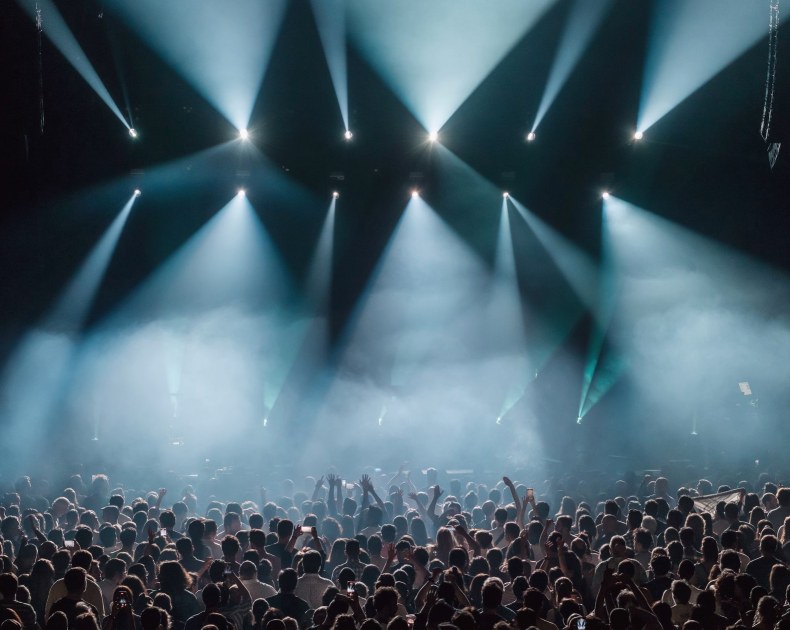
Producers of concerts, festivals and staged parties use us for lighting design, live sound and the planning that ties them to any broadcast or recording. We write rigging documentation and audio feed specifications that suppliers can quote against. This gives producers a fair basis for comparing quotations and a plan they can hand to a stage manager.

Venue managers

Venue managers ask us to review how their spaces handle productions, from power and cabling to house lighting and sound systems. We report on what works, what limits visiting crews and what small changes would help. The findings give venues clear information to share with hirers and a sound basis for planning improvements.

Work with us

Use the contact page to describe what you are planning. We will respond with questions and, if it suits, a written quotation covering design, lighting, sound, cameras or workflow.

Talk to us about your studio, stage or broadcast plan

Contact