inknix

Clear production for screen and stage

Services

Five areas of audiovisual production work, from studio layout to the schedules that keep a crew and a network on the same plan.

What we do

Production work for screen and stage

  • Broadcast Studio Design

    Broadcast Studio Design

    Layout, cabling and control room planning for television studios of varied sizes. We work from the floor plan outwards, so cable routes, sightlines and operator positions are settled before anything is installed.

    Contact →
  • Camera Control Systems

    Camera Control Systems

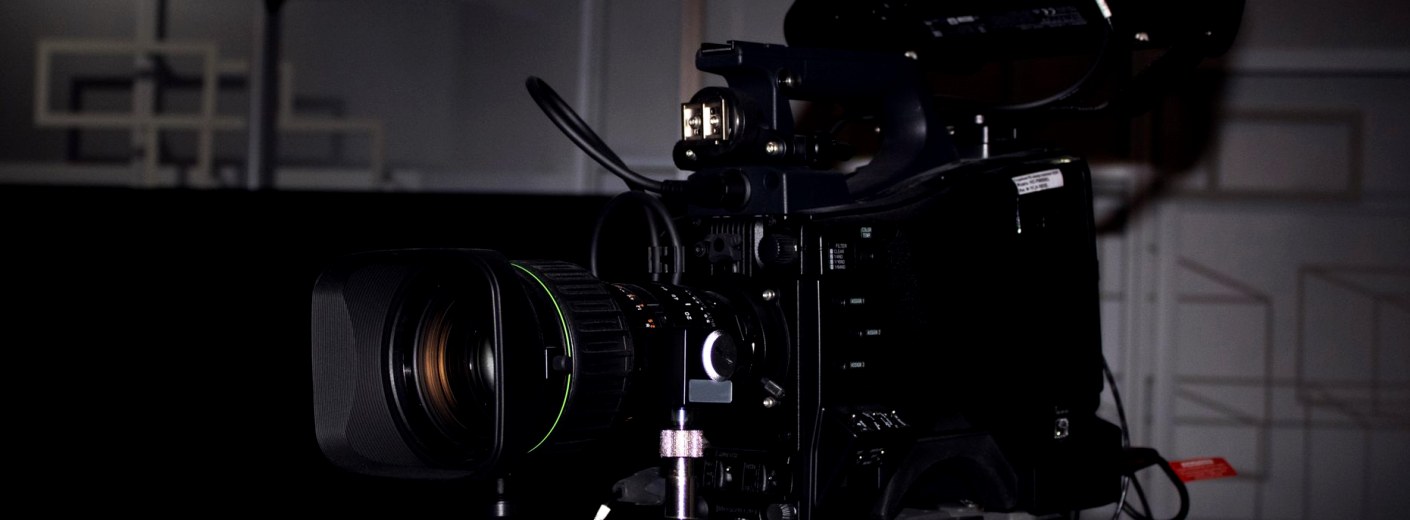
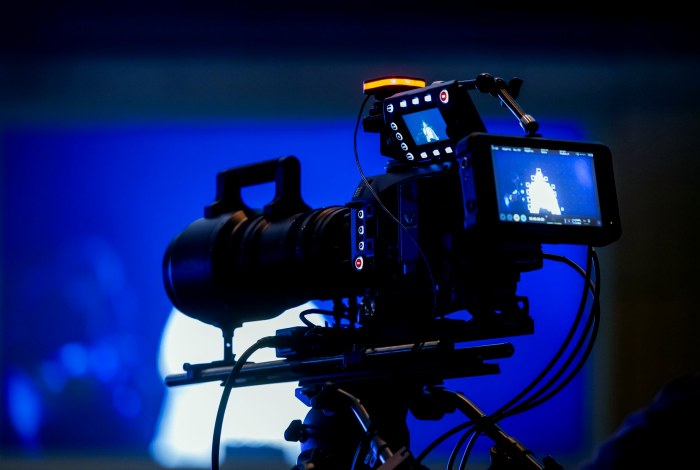
    Specification and set-up of camera control, remote heads and vision mixing. We match the equipment to the programme format and the size of the crew who will run it.

    Contact →
  • Stage and Event Lighting

    Stage and Event Lighting

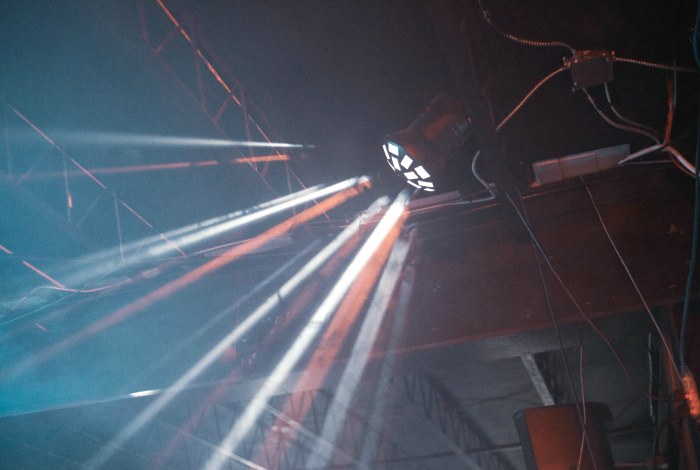
    Lighting plans for concerts, festivals and staged parties, from design through to rigging. Each job comes with written rigging documentation so the venue and the crew know what goes where.

    Contact →
  • Live Sound Engineering

    Live Sound Engineering

    Front of house and monitor mixing, system tuning and audio feeds for broadcast partners. We agree the feed requirements with the receiving team before the first soundcheck.

    Contact →
  • Production Workflow Planning

    Production Workflow Planning

    Clear schedules, signal flow diagrams and handover documents for crews and networks. The aim is a single plan that everyone on the job can read and work from.

    Contact →
Choosing an approach

Studio-based work compared with live event work

Some clients are weighing a fixed television studio against a one-off live production. The two call for different planning, so this comparison shows where the work differs before you decide what to ask for.

Broadcast studio project

Setting
A permanent or semi-permanent studio with a control room and fixed camera positions.
Planning focus
Layout, cabling routes and control room design that must last through many productions.
Lighting and sound
Lighting grids and audio paths built into the room and tuned for camera.
Documentation
Signal flow diagrams and handover documents for the staff who will operate the studio.
What drives the proposal
Room size, number of cameras, control room scope and cabling length.

Live event project

Setting
A venue, stage or temporary site that is set up and cleared for each event.
Planning focus
Rigging plans, power, access times and audience sightlines for a single occasion.
Lighting and sound
Touring-style lighting rigs and front of house and monitor mixing set up on the day.
Documentation
Rigging documents, running schedules and feed lists for the visiting crew and venue.
What drives the proposal
Venue size, rig size, number of audio feeds and the length of the load-in.

Many jobs sit between the two, such as a broadcast from a venue. Tell us what is being produced and where, and we will say which parts apply.

Scope

What a job includes and what shapes the quotation

Every enquiry is answered with a written quotation. What it contains depends on the services involved, the site and the people who will use the result, so it helps to know what we look at first.

What is included

A quotation names each piece of work in plain terms: the design or plan, the specification, the documents we hand over and any time spent on site. Where a service involves rigging, mixing or set-up, the quotation says who carries it out and over how many days. You see the scope in writing before anything is agreed, and nothing outside it is added without a revised quotation.

What changes the proposal

The main factors are the size of the studio or venue, the number of cameras, lights or audio feeds, and how much cabling and rigging is needed. Access hours, travel and the number of crew on site also matter. A small studio refit and a multi-day festival rig are different jobs, and the quotation reflects that. The Prices page sets out typical starting points for each service.

What helps us start

Send a floor plan or venue details if you have them, the dates involved, and a short description of the programme or event. Tell us who will operate the equipment and what the receiving network needs from the feeds. If some of this is not decided, say so. We can plan around open questions and list them in the quotation.

Next step

Tell us about the studio, stage or event you are planning

Describe the job through the contact page and name the services that apply. We reply with questions where needed, then a written quotation covering the studio, camera, lighting, sound or workflow work.