What live sound costs and what moves the price up or down
A plain account of how live sound engineering is priced, which parts of a job drive the figure, and what to have ready before asking for a written quotation.
7 minutes to read
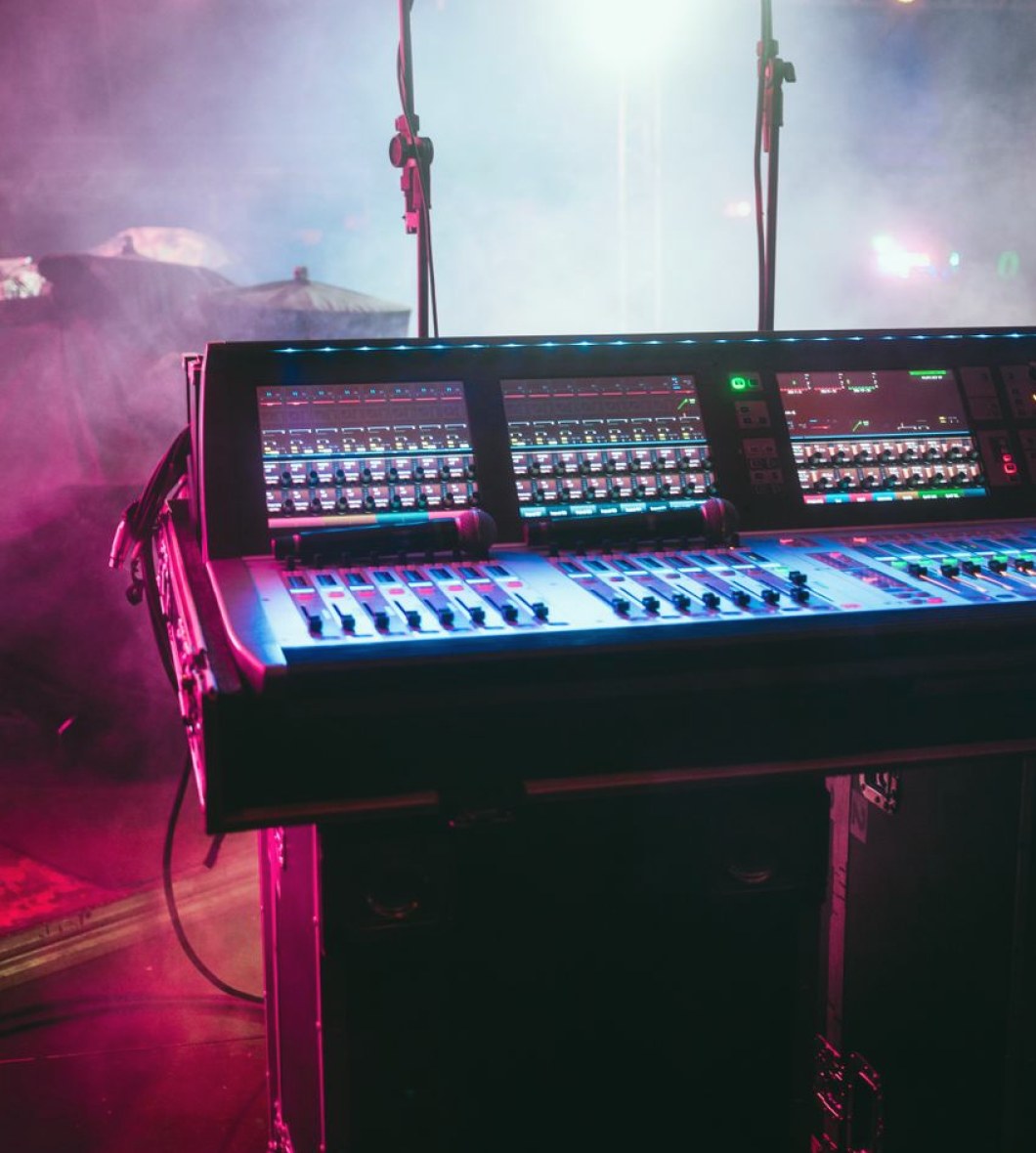
How a live sound fee is built
When a producer asks what live sound costs, the honest first answer is that the figure is assembled from a handful of parts, and the parts matter more than any headline number. At inknix we treat the fee as engineer time, preparation time and the specification of the system, then add travel where the venue is outside Cambridge. Each part can be shown on a quotation line by line, so you can see what you are paying for and question any of it.
Engineer time is the easiest part to picture: a named engineer at front of house, or at monitors, for the hours the event needs. It is rarely only the hours of the show. A mix engineer is usually needed from the first line check until the last cable is coiled, and those hours sit inside the fee rather than being added as a surprise.
Preparation is the part clients overlook. Reading the stage plan, building the input list, drawing the signal path and agreeing who supplies what all take time before anyone reaches the venue. That work is why a show starts on time, so it is priced openly instead of being hidden.
- Engineer time on site, including line check and pack-down
- Preparation: input list, stage plan and signal path
- System specification and tuning for the room
- Travel and any overnight stay outside the area
Front of house, monitors and broadcast feeds
The three main jobs in live sound are priced differently because they ask different things of the engineer. A front of house mix serves the audience in the room and is usually the base of any quotation. Monitor mixing serves the performers, needs its own desk or its own channels, and often its own person, so it adds cost in a way that is easy to see when the band is large.
An audio feed for broadcast is a separate piece of work again. The mix that sounds right in a hall is not the mix a television partner wants, and a clean feed usually means a dedicated bus, agreed levels and a conversation with the receiving crew. Where a network team is involved we plan that hand-off in advance and price it as its own line.
Combining the three on one small event is possible, and for a modest gig a single engineer may cover front of house and a simple wedge mix. We say plainly when a job is too large for that, because a stretched engineer helps nobody and the shortcut costs more in the end.
Size of venue and number of inputs
Two factors move a quotation more than any others: how big the room is and how many sources are going into the desk. A hundred-seat room with a four-piece band is a different job from a hall with a choir, a brass section and speakers at a lectern, even if both evenings last the same length of time.
Room size affects the loudspeaker system, the number of points the system must cover and the time spent tuning it to the space. A reverberant hall asks for more care than a dry, carpeted room, and that care is hours on the clock. Input count affects the desk, the stage boxes and the cabling, and every extra source is another channel to check, balance and monitor.
If you can tell us the venue, the expected audience and a rough list of what will be plugged in, we can usually give a sensible range before a site visit. Where the numbers are still uncertain we say so, and the written quotation records the assumptions it was based on.
- Capacity of the room and shape of the audience area
- Number of microphones, instruments and playback sources
- Whether the room has a house system we can use
Hired equipment versus what the venue provides
A venue with a decent installed system can lower the cost considerably, because the loudspeakers, amplification and sometimes the desk are already there. The saving is real only if the system suits the event, so we like to hear it before we agree to rely on it. An installed system built for speech may struggle with a live band.
Where equipment has to be brought in, the cost follows the specification: more loudspeakers, a larger desk or additional monitors mean more kit to hire, transport and set up. We specify what the event needs and no more, and we say which items are a comfort and which are essential, so you can make the decision rather than have it made for you.
Setup and load-in time count too. A system that must be rigged, cabled and tuned before doors takes a crew and a morning, while a ready room can be checked in an hour. Access, stairs, parking and the time available before the audience arrives are all worth mentioning when you ask for a price.
Timing, length of the day and rehearsal
The length of the engagement is the next lever. A single two-hour performance with a soundcheck is one thing; a full day of speakers, a rehearsal and an evening show is another, and the quotation follows the hours the engineer is genuinely needed. Short notice can also affect availability, since good engineers are booked well ahead for the busier autumn and winter weeks.
A rehearsal or a separate soundcheck session is worth paying for on anything complicated. It lets the engineer set levels, deal with feedback and agree monitor mixes without an audience waiting, and it usually saves time on the night. We list it as its own item so you can choose to include it or not.
Late finishes and early starts change the arrangement too. If the event runs past an agreed time, or a second day is added, the hours extend and the fee with them. We would rather agree those limits at the start, in writing, than argue about them afterwards.
What to send us and how the quotation works
To get a useful price, send us the date, the venue name and address, the type of event and the approximate number of people. Add a list of performers or speakers, any broadcast or recording requirements and whatever you know about the house system. A stage plan, even a rough sketch, saves a long exchange of messages.
Enquiries come through the contact page. We reply with questions where something is unclear, then send a written quotation that sets out what is included and the assumptions behind it. Once you confirm in writing, we issue an invoice, paid by bank transfer, and cancellations and refunds follow the payment and refund policy on the site.
Nothing is bought on the website itself, and a quotation is not a commitment until you confirm it. If the plan changes, tell us early and we will revise the figure in writing, so the price you agreed always matches the work that is planned.
- Date, venue address and type of event
- Expected audience and list of performers or speakers
- Any broadcast, recording or feed requirements
- Stage plan or sketch, if you have one
The price of live sound follows a short list of things you can see and discuss: engineer hours, preparation, the size of the room, the number of inputs, the equipment that must be brought in and the length of the day. None of it needs to be a mystery. Send us the details you have, ask for the quotation in writing, and we will show where each pound goes, including what could be reduced if the budget is tight.