Live Sound for the Dark Months: Preparing Your Venue and Crew
Late autumn brings colder load-ins, damp rooms and busy festive diaries. Here is how to prepare front of house, monitors and broadcast feeds so sound holds up.
7 minutes to read
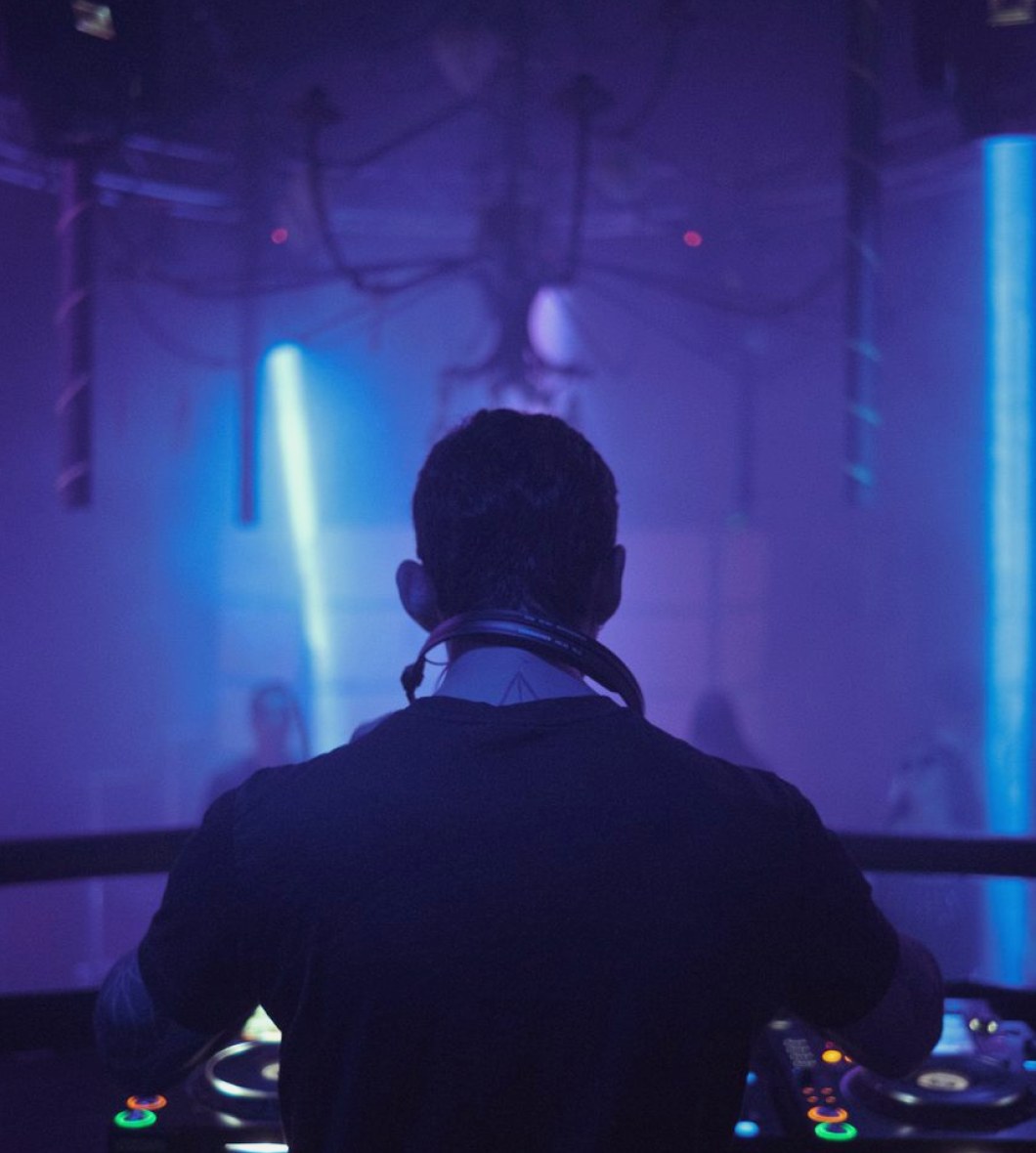
Why the cold months change the sound job
Most of the live events we are asked about between now and the new year share one trait: they happen in rooms that are colder, damper or fuller than the same room in summer. None of this is dramatic, but each factor nudges the sound in a direction the engineer has to meet halfway. Cold air alters how quickly sound travels and how much high frequency survives the trip to the back of the room, and a hall with the heating running behaves differently from one still warming up.
It helps to treat the season as a planning input rather than an afterthought. When we write a sound brief for a late autumn job, we ask early about heating schedules, door traffic and whether the room is used during the day by other groups. Those answers decide how much time we need for tuning and when the system can realistically be left running.
A short call a fortnight before the event, covering the room, the running order and who holds the keys, saves far more time than it takes.
- Ask when the heating comes on and whether it will be running during the show
- Note any daytime use of the room that limits setup time
- Confirm who has access out of hours
Tuning the system once the room is full
System tuning is the part of front of house work that most often gets squeezed. A room tuned empty and cold will sound different with two hundred people in coats, because bodies and clothing absorb a good deal of high frequency energy. We aim to do the main tuning with the room as it will be, and where that is impossible we leave a margin and expect to adjust by ear after doors open.
Autumn and winter audiences arrive layered up, and that absorption is easy to underestimate in a small venue with hard walls. The result, if nobody adjusts, is a mix that feels dull from the middle of the room backwards, which tempts the engineer to push the top end and then fight feedback.
A calm approach works better: tune sensibly, check coverage by walking the room during the first song, and make small corrections rather than large ones. Measurement tools help, but they are a guide, and the final judgement is made by listening in several seats.
- Walk the room during the first number, not only at soundcheck
- Expect less high frequency once the audience is seated and dressed for the weather
- Make small corrections and listen again before changing more
Monitor mixes when everyone is wearing more layers
Monitor mixing deserves its own paragraph in a winter plan, because performers' habits change with the weather. Singers with colds, gloves on guitarists and in-ear packs tucked under thick jumpers all affect what a performer can hear and how comfortably they can do it. A monitor engineer who has been told about these things in advance can offer wedge or in-ear options without a rushed argument at soundcheck.
If your event uses in-ear systems, check that batteries are stored somewhere warm and that spares are to hand, since cold drains them faster than most people expect. Where wedges are used, placement matters more in rooms with hard reflective surfaces, which is common in the church halls, corn exchanges and function rooms that host seasonal events.
We find it useful to agree one simple signal between stage and monitor position at the start of the day, so that requests during a busy evening stay short and calm.
- Keep radio and in-ear batteries warm and carry spares
- Ask performers early whether they prefer wedges or in-ears
- Agree a simple hand signal between stage and monitor position
Cables, connectors and kit that has been in the van
Equipment that has spent a cold night in a vehicle needs a little patience. Condensation forms on cold metal when it meets warm, damp air, and that is not good for connectors, mixing desks or amplifier racks. Wherever we can, we let kit come up to room temperature in its cases before powering anything on, and we keep an eye on any rack that has travelled a long way overnight.
Cable runs deserve attention too. Rubber and plastic stiffen in the cold, and a stiff multicore is more likely to kink or to damage a connector if it is dragged across a loading dock. We lay out and check runs before the event rather than during it, and label both ends so that a swap in a hurry does not become a guess.
Wet floors are the other autumn hazard. Anywhere cabling crosses a doorway or a walkway, mats and tape are worth the few minutes they take, because a trip hazard is also a signal-loss hazard.
- Let cased kit warm up before powering it on
- Check stiff cables for kinks and damaged connectors
- Cover and tape any run that crosses a wet entrance
Broadcast feeds and recorded events
Many seasonal events are recorded or streamed, whether for a network partner or for the organiser's own archive. The audio feed that leaves the room is a separate mix from the one the audience hears, and it needs its own thought. A room with a lively sound can sound distant on a recording unless the feed is taken from the right place and balanced for headphones or a small speaker.
We recommend agreeing the feed format with the receiving team early: how many channels, what level, whether there is a talkback line and who is in charge of cues. Written down on a single page, this prevents most late-evening confusion. If a broadcast partner supplies their own engineer, a short conversation before doors open about who owns which part of the signal chain is worth having.
Keep a backup recording running where you can. In our experience it is very rarely needed, but on the rare night it is, nobody regrets having it.
- Agree channel count, level and format with the receiving team
- Name one person who owns each part of the signal chain
- Run a backup recording where the equipment allows
A short planning list for the weeks ahead
Bringing the earlier points together, a late autumn sound plan does not need to be long. It needs to be specific, shared with everyone who will touch the system, and sensible about time. We usually ask clients for a room plan, a running order, a list of performers and their needs, and the name of one person who can make decisions on the night.
From there we can say what the system should be, how long load-in and tuning will take, and what the evening will cost. Prices are set out on our prices page and confirmed in writing after an enquiry through the contact page, so there is no surprise on the day.
If your diary is already filling with seasonal bookings, an early conversation is kinder to everyone than a late one. Venues are busy, crews are in demand, and a clear brief goes a long way toward making a cold evening run warmly.
- Room plan and running order
- Performer list with any special needs
- One named decision-maker for the event
Late autumn rewards calm preparation. Allow time for a room that changes as it fills, keep batteries and connectors warm and dry, and settle broadcast feeds in writing before the day. None of it is complicated, and most of it costs only a few phone calls. If you would like to talk through an event coming up in these weeks, send us an enquiry through the contact page and we will reply with questions and a written quotation.